

Introduction. Behind every memorable moment in World of Warcraft lies a quest that did more than just hand out rewards—it told a story. Over two decades, Blizzard has refined quest design into a sophisticated form of interactive storytelling, where narrative and gameplay flow naturally together. Whether it’s the emotional farewell of a fallen hero or the comedic chaos of a goblin experiment gone wrong, every quest contributes to the living heartbeat of Azeroth. Crafting these experiences is an art that balances writing, pacing, and player agency to make the world feel truly alive.
This article explores how Blizzard’s quest design evolved, how writers weave narrative into mechanics, and why even small side quests leave a lasting emotional impact.
From Simple Objectives to Emotional Journeys
In the early days of WoW, most quests were functional—kill counts, deliveries, and collection tasks. But even within those basic frameworks, writers found ways to infuse personality. The transformation began in Wrath of the Lich King, when storytelling became central to progression. Quests like the Wrathgate chain or the Tirion Fordring saga turned ordinary objectives into emotional journeys that shaped players’ perceptions of the world.

By Legion and Dragonflight, Blizzard had mastered the balance between narrative and gameplay. Cinematics, voice acting, and seamless transitions turned questlines into interactive stories rather than errands. The player was no longer just a participant—they were the driving force of the narrative itself, with choices and actions that carried lasting meaning.
The Symbiosis of Story and Gameplay
What makes WoW’s quests effective is their integration of story into gameplay mechanics. Instead of simply reading dialogue boxes, players perform actions that reflect the emotional tone of the story. A rescue mission feels urgent not because of text, but because the gameplay supports it—timed events, voice lines, and ambient chaos turn narrative intent into sensory experience.
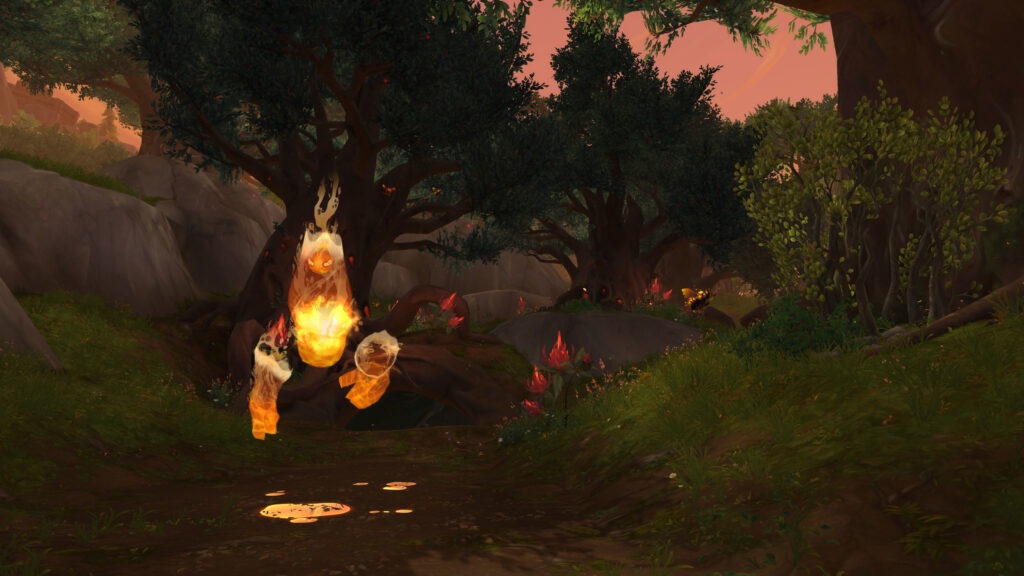
This approach allows quests to convey emotion through mechanics. When players carry an injured NPC or watch a character fade away in their arms, the act itself becomes storytelling. Blizzard’s writers understand that immersion thrives when narrative and gameplay serve each other rather than exist in isolation.
Characterization Through Design
Quest writing in WoW succeeds because characters are built through interaction, not exposition. Players learn who someone is by fighting beside them, hearing their voice, or completing a task that reveals their personality. The dialogue is concise but layered, balancing humor, tragedy, and heroism in equal measure. Every quest giver, from Tirion Fordring to Chromie, is designed to feel distinct and memorable.
This technique ensures emotional continuity across expansions. Even when stories move from cosmic conflicts to local tales, characters remain grounded in their humanity—or orcishness, or elven pride. The world evolves, but the people within it feel real.
| Quest Element | Design Purpose | Example | Emotional Effect |
|---|---|---|---|
| Interactive Mechanics | Connect story to player action | Saving Wrathion in Dragonflight | Heightened immersion through urgency |
| Cinematic Integration | Seamlessly advance major plot points | Wrathgate event in Northrend | Emotional scale and immersion |
| Character Dialogue | Reveal identity and world context | Tirion’s sacrifice in Icecrown | Empathy and resonance |
Player Agency and Emotional Resonance
In modern quest design, Blizzard focuses heavily on giving players emotional agency. Choices, even small ones, create a sense of ownership over the story. While outcomes often remain fixed for continuity, the illusion of influence deepens engagement. This approach mirrors real-world storytelling psychology—people connect more deeply to narratives they feel part of creating.

By allowing players to experience both triumph and loss firsthand, quests transcend entertainment. They become participatory experiences that leave emotional imprints long after completion. Every click, conversation, and battle carries weight, making Azeroth’s stories uniquely personal.
Conclusion
The artistry of WoW’s quest writing lies in its harmony of story and gameplay. Blizzard’s writers understand that the most powerful tales aren’t told—they’re lived. Through dialogue, design, and emotion, quests turn mechanics into memories, shaping the world one interaction at a time.
After two decades, players still embark on new adventures not for gold or gear, but for the promise of another story waiting to unfold beneath the surface of Azeroth.


Leave a Reply