
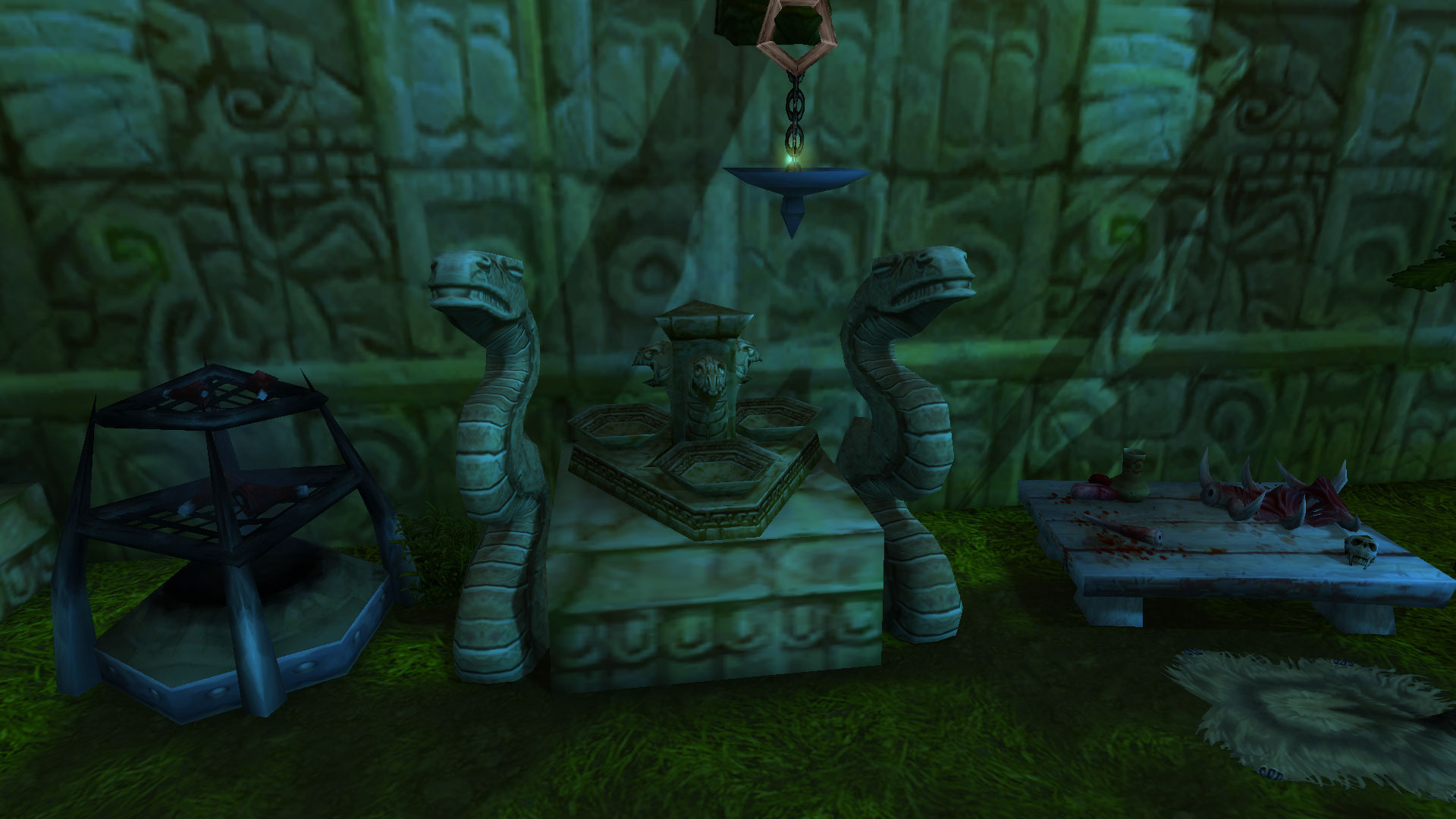
Jintha’Alor, located in the Hinterlands of Azeroth, stands as a testament to the design philosophy of early MMORPGs, particularly in World of Warcraft’s vanilla era. This fortress not only served as a hub for group questing but also embodied the essence of community engagement and strategic gameplay. Players flocked to Jintha’Alor for its challenging quests, rich lore, and the unique mechanics that encouraged teamwork and collaboration. Understanding its significance provides insight into the evolution of open-world design in gaming.
What unique features did Jintha’Alor offer for group questing?
Jintha’Alor featured a blend of challenging quests, strategic positioning, and rich lore, making it a unique group questing experience.
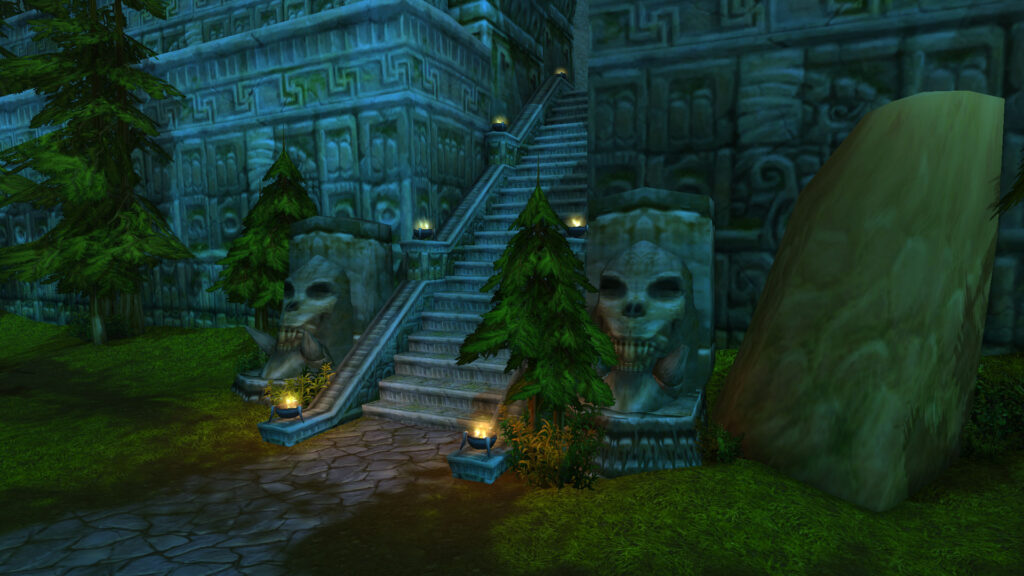
The fortress was designed with multiple layers of complexity, from its vertical architecture to the diverse range of enemies players faced. Each quest required players to form groups, promoting social interaction and teamwork. The layout of Jintha’Alor encouraged players to utilize different strategies, whether they were engaging in PvE combat or navigating the terrain. The quests often required players to defeat powerful bosses or gather rare items, which fostered a sense of achievement and camaraderie among players. Additionally, the lore surrounding Jintha’Alor added depth, as players uncovered the history of the trolls and their connection to the larger narrative of the game.
Moreover, the environmental design of Jintha’Alor played a crucial role in its appeal. The fortress was situated on a hill, providing a tactical advantage for players who could use the elevation to their benefit. This design encouraged players to think critically about their approach to quests and combat scenarios. The combination of challenging quests and strategic positioning made Jintha’Alor a memorable experience for players, solidifying its reputation as a premier questing location in the game.
How did the quest design in Jintha’Alor enhance group dynamics?
The quest design in Jintha’Alor was intricately crafted to enhance group dynamics through cooperative gameplay and strategic challenges.
Quests in Jintha’Alor often required players to work together to overcome formidable foes, which naturally fostered teamwork. For instance, certain quests necessitated specific class roles, such as tanks to absorb damage and healers to support the group. This dynamic not only encouraged players to form balanced teams but also created a sense of dependency on one another’s skills. The design of these quests often included mechanics that required coordination, such as timed events or multi-stage encounters, which further reinforced the need for effective communication among group members.
- Players needed to strategize their approach to each quest, often discussing tactics before engaging enemies.
- Quests frequently included objectives that required players to split into smaller groups to achieve multiple goals simultaneously.
- Encounters often featured environmental hazards that necessitated teamwork to navigate safely.
- Rewards for completing quests were often shared, incentivizing collaboration and group success.
This quest structure not only made the gameplay more engaging but also created lasting friendships among players. The necessity for teamwork in Jintha’Alor’s quests helped forge a community that thrived on collaboration, enhancing the overall gaming experience.
What challenges did players face in Jintha’Alor?
Players faced numerous challenges in Jintha’Alor, including difficult enemies, environmental obstacles, and complex quest mechanics.
The challenges presented in Jintha’Alor were multifaceted, requiring players to adapt their strategies continuously. Enemies within the fortress were not only numerous but also varied in their abilities, which meant players had to be prepared for different types of combat scenarios. For example, some enemies could heal themselves, while others had powerful area-of-effect attacks that could decimate unprepared groups. This variety forced players to think critically about their party composition and tactics, ensuring that they were well-equipped to handle any situation.
| Challenge Type | Description | Recommended Strategy | Potential Rewards |
|---|---|---|---|
| Boss Encounters | Powerful enemies with unique mechanics | Coordinate roles and use crowd control | Rare loot and quest completion |
| Environmental Hazards | Traps and terrain obstacles | Scout ahead and communicate | Experience points and item drops |
| Timed Events | Quests requiring swift action | Plan and execute quickly | Bonus rewards for speed |
These challenges not only tested players’ skills but also encouraged them to develop strategies that would be effective in overcoming obstacles. The combination of these elements made Jintha’Alor a formidable yet rewarding location for group questing.
How did Jintha’Alor influence future game design?
Jintha’Alor set a precedent for future game design by emphasizing the importance of community-driven gameplay and strategic questing.
The success of Jintha’Alor demonstrated that players thrive in environments that promote cooperation and challenge. This realization influenced many subsequent MMORPGs, which began to incorporate similar mechanics that encouraged group play and social interaction. The fortress’s design highlighted the need for engaging quest structures that require teamwork, leading to the development of more complex and rewarding group content in later expansions and games.
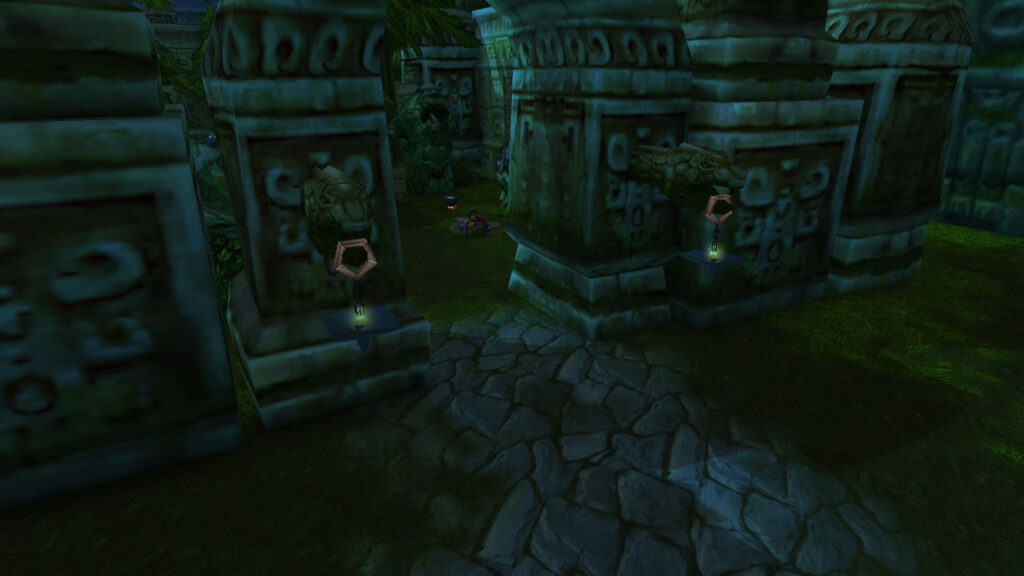
Moreover, the environmental design of Jintha’Alor, with its verticality and strategic positioning, inspired future developers to create more immersive and interactive worlds. The lessons learned from the challenges faced by players in Jintha’Alor have been applied to various gaming genres, emphasizing the importance of creating environments that foster player engagement. As a result, Jintha’Alor remains a benchmark for open-world design, influencing how developers approach questing and community interaction in modern games.
What are the best practices for maximizing the Jintha’Alor experience?
Maximizing the Jintha’Alor experience involves strategic planning, effective communication, and understanding quest mechanics.
To fully enjoy the challenges presented in Jintha’Alor, players should approach their questing with a clear strategy. This includes forming balanced groups that consider class roles and abilities. Communication is key; players should discuss their strategies before engaging in combat and remain vocal during encounters to adapt to changing situations. Understanding the mechanics of each quest can also provide an advantage, as players can prepare for specific challenges ahead of time.
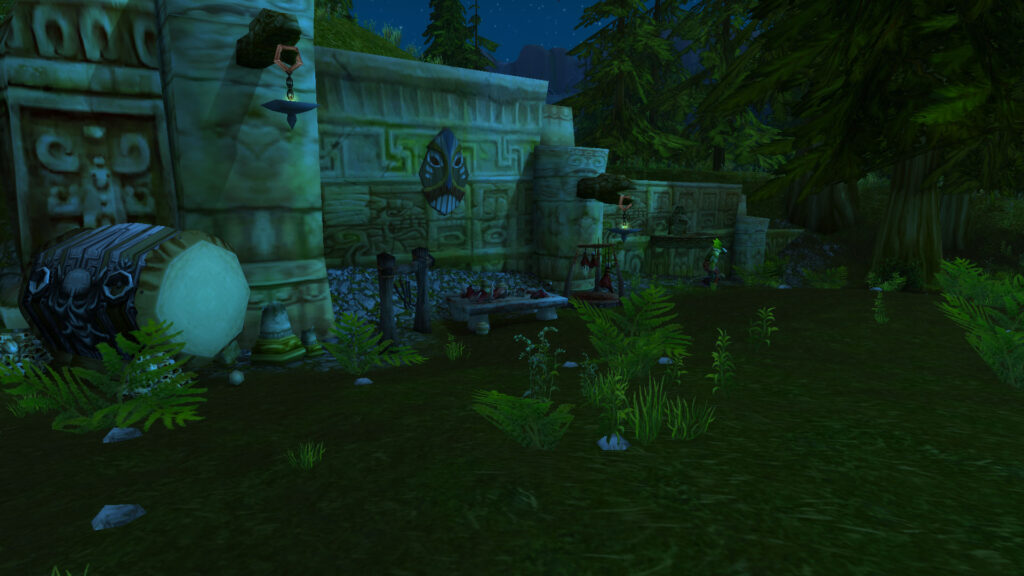
Additionally, players should take advantage of the rich lore and environment of Jintha’Alor. Exploring the area thoroughly can yield hidden treasures and additional quests that enhance the overall experience. By approaching Jintha’Alor with a mindset focused on teamwork, strategy, and exploration, players can maximize their enjoyment and success within this iconic fortress.
Frequently Asked Questions
What level should players be to effectively quest in Jintha’Alor?
Players should ideally be around level 40-45 to effectively engage with the quests in Jintha’Alor. This level range allows players to tackle the challenging enemies and bosses present in the fortress while still gaining valuable experience and loot.
Are there any specific class roles that are more effective in Jintha’Alor?
While all classes can contribute, having a balanced group with a tank, healer, and damage dealers is crucial for success in Jintha’Alor. Tanks can absorb damage, healers provide support, and damage dealers can take down enemies quickly, making for a well-rounded team.
What rewards can players expect from completing quests in Jintha’Alor?
Players can expect a variety of rewards from completing quests in Jintha’Alor, including rare loot, experience points, and unique items that enhance gameplay. Additionally, completing quests can lead to further story development and lore exploration.

Leave a Reply