

When Legion launched in 2016, it reshaped World of Warcraft’s world design forever. The Broken Isles became a blueprint for what modern expansions would strive to be—immersive, interconnected, and alive. From world quests to scaling zones and artifact progression, Legion didn’t just deliver content—it defined a new philosophy of engagement that still echoes through Azeroth today.
This article revisits the Broken Isles and examines how its design innovations continue to influence WoW’s evolution nearly a decade later.
The Birth of the Modern World Quest System
Before Legion, max-level players often faced repetitive grinds or idle waiting between raid resets. Legion’s introduction of World Quests revolutionized endgame structure. These rotating objectives gave players meaningful reasons to revisit zones long after leveling ended. They provided rewards, reputation, and progression that made the world feel truly persistent.
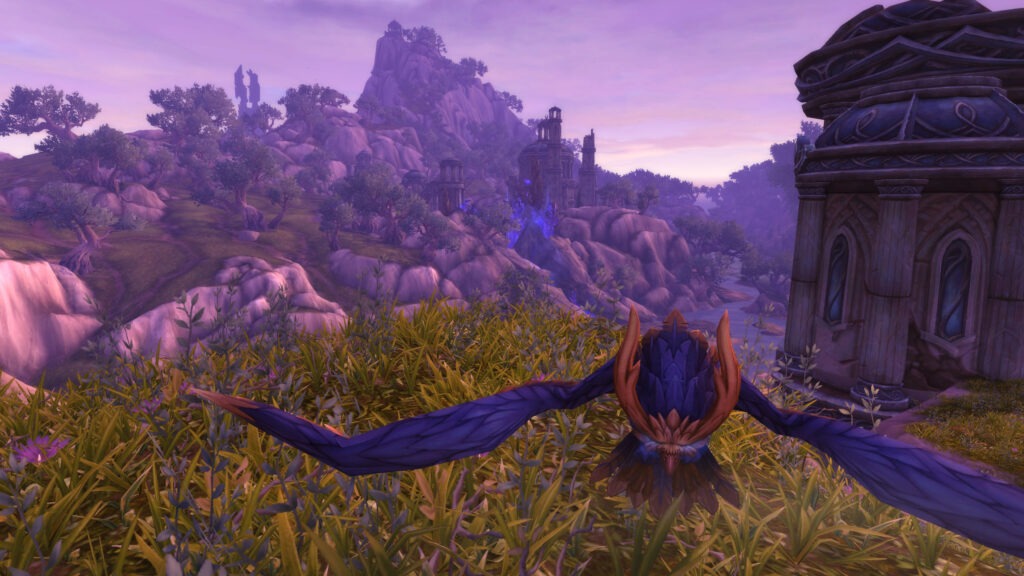
That system became the foundation for every expansion since—from Battle for Azeroth to The War Within—proving that dynamic objectives keep the world alive long after the campaign ends.
Zone Design: Variety Within Cohesion
The Broken Isles achieved something few continents had before: unity without sameness. Each zone—Azsuna, Val’sharah, Highmountain, Stormheim, and Suramar—offered its own story and atmosphere while contributing to a cohesive whole. Thematically, the zones complemented one another like chapters in a book, guiding players from arcane ruins to druidic groves to sprawling cityscapes.

Legion’s approach to narrative geography became the model for future expansions, where exploration and storytelling merged seamlessly.
Suramar: The Pinnacle of Immersive Storytelling
Suramar wasn’t just a city—it was a living narrative. Through the Nightfallen campaign, players experienced one of the most emotionally rich storylines ever crafted in WoW. Every quest, from infiltrating noble houses to aiding rebels, deepened immersion and made progression feel personal. Suramar proved that an MMO could deliver single-player narrative quality without sacrificing scale.
Its legacy is seen in Dragonflight’s storytelling and The War Within’s focus on long-form, character-driven arcs.
| Broken Isles Zone | Theme | Modern Design Influence |
|---|---|---|
| Azsuna | Arcane Ruins & Tragic Legacy | Introduced dynamic quest pacing |
| Val’sharah | Druidic Decay & Renewal | Environmental storytelling through contrast |
| Highmountain | Tribal Unity & Ancestry | Inspired Warband and heritage systems |
| Stormheim | Vrykul Mythology & Honor | Set the tone for modern cinematic questing |
| Suramar | Urban Resistance & Rebirth | Blueprint for immersive campaign design |
Class Halls and Artifact Weapons
Legion gave every class its own home and purpose through Class Halls—a spiritual evolution of Warlords’ Garrisons. These hubs offered storylines, unique followers, and quests that reinforced identity. Combined with Artifact Weapons, they made players feel like leaders of their class, not just adventurers. The personal sense of progression and belonging they provided still inspires features like The War Within’s Warband system and hero talents.
Legion’s focus on identity made every class feel meaningful again—a design principle Blizzard continues to refine.
Legion’s Enduring Legacy
Nearly every modern innovation traces back to Legion’s philosophy of player engagement. Its emphasis on choice, mobility, and meaningful repetition set new standards for accessibility and depth. From scaling zones to consistent world activity, Legion transformed WoW from a static MMO into a living, evolving ecosystem.

The Broken Isles remain a masterclass in how worldbuilding and systems design can work together to create timeless immersion.
Conclusion
Legion wasn’t just another expansion—it was a reinvention. The Broken Isles turned world design into storytelling, giving structure to exploration and purpose to play. Its systems continue to define modern WoW’s rhythm, proving that innovation built on player engagement can stand the test of time. Nearly ten years later, the echoes of Legion still shape every step we take in Azeroth.
The Broken Isles were more than a place—they were the beginning of modern World of Warcraft.


Leave a Reply