

Each class in World of Warcraft tells a story. From the righteous Paladin channeling the Light to the shadowy Rogue lurking in the dark, class fantasy defines how players see themselves in Azeroth. Over the years, this concept has evolved beyond aesthetics—it influences gameplay, narrative, and even player culture.
This exploration examines how class fantasy has developed through expansions, how it shapes player experience, and why it remains one of the strongest pillars of identity in the game’s design.
The Birth of Class Identity
In Classic, classes were defined by clear strengths and weaknesses. Warriors were durable but dependent on gear, while Mages offered raw power at the cost of fragility. This imbalance wasn’t a flaw—it was flavor. Every role felt distinct, and the identity of each class was rooted in its limitations as much as its power.

Players didn’t pick a class for balance; they picked it for personality. It was about embodying a fantasy, whether as a feral Druid, a stoic Priest, or a cunning Warlock commanding demons from the shadows.
Expansions and the Refinement of Fantasy
As new expansions launched, Blizzard refined class design to better express their lore and visual style. The Burning Crusade and Wrath of the Lich King introduced new abilities and specializations that reflected each class’s mythology. Death Knights, for example, debuted with a perfect balance of narrative and gameplay—every skill echoed their story of fallen heroes bound to darkness.
Through these iterations, Blizzard learned that gameplay mechanics must serve the fantasy, not the other way around.
Cataclysm to Legion: Rediscovering the Core
By Cataclysm, the lines between classes had blurred. Utility bloat and homogenization threatened the uniqueness of each archetype. Legion reversed that trend with its Artifact Weapons and class halls, re-centering each specialization around its identity. These elements gave players a narrative anchor—a tangible reminder of what made their class unique.
Legion became a renaissance for class fantasy, celebrated as one of the best design periods in WoW’s history.
- Paladin: Champions of the Light with divine power and discipline.
- Warlock: Masters of fel and shadow magic, bending demons to their will.
- Shaman: Spiritual guides channeling elemental forces of nature.
- Druid: Guardians of balance, shifting between forms of life and nature.
- Rogue: Experts of stealth, agility, and silent execution.
Modern Class Design: Choice and Expression
Dragonflight and The War Within mark a shift toward personal expression. The return of talent trees, visual customizations, and ability pruning all serve one goal—freedom. Players can now mold their classes into personalized versions of classic archetypes, blending nostalgia with innovation.
Gameplay clarity and responsiveness reflect this philosophy, allowing players to feel every strike, cast, and transformation in a way that connects directly to their fantasy.
The Psychology of Fantasy and Role
Beyond mechanics, class fantasy speaks to human psychology. Players attach identity to their characters—Paladins feel protective, Rogues feel cunning, Mages feel intellectual. This emotional resonance keeps players loyal to their mains across expansions, even when balance shifts or metas change.
The connection between player and class becomes a storytelling bond—one that no other feature can replicate.
The Future: Evolution Through The War Within
The War Within continues to evolve class fantasy through deeper customization and narrative integration. Hero Talents allow specialization themes to flourish without fragmenting gameplay. Whether channeling Lightforged powers or embracing shadow’s call, every spec gains new tools to express identity.
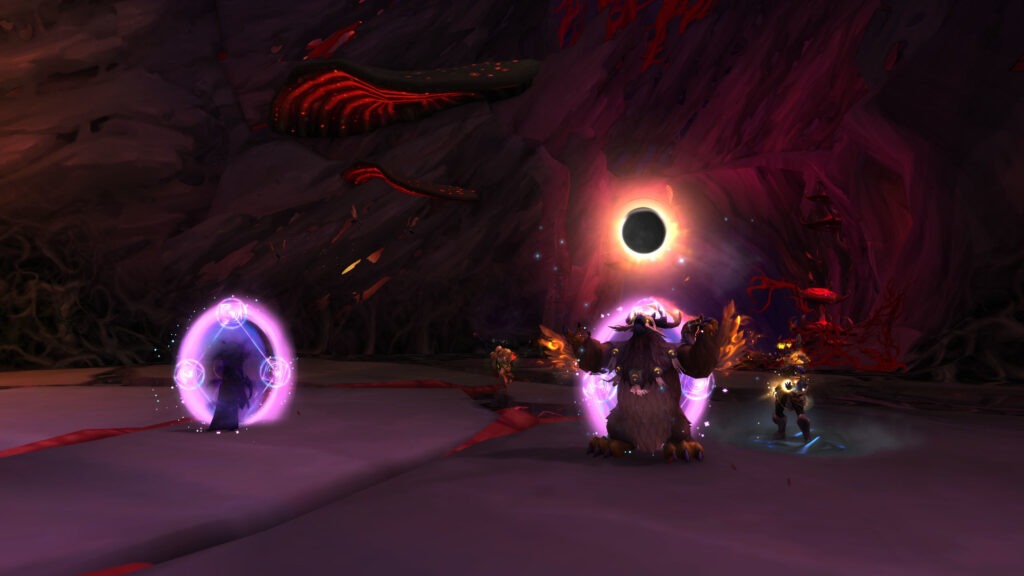
This commitment to identity ensures that class fantasy remains central to WoW’s design philosophy—where who you play feels as meaningful as what you play.
Conclusion
Class fantasy is the soul of World of Warcraft. It’s what transforms gameplay into experience, turning mechanics into meaning. From Classic’s humble origins to The War Within’s sophisticated designs, class identity remains the bridge between player and character.
As the story continues, one truth remains: every hero’s journey begins with who they choose to be.



Leave a Reply